Decaf has a reputation problem, and it was earned. For years the choice on a supermarket shelf came down to a bitter, papery cup or no coffee at all, so plenty of people wrote decaf off for good. Those beans are still out there. So are excellent ones, often sitting on the same shelf for about the same money.
What separates a good bag from a bad one comes down to two things: how the caffeine was taken out, and what the roaster did with the bean afterwards. Neither is hard to check once you know what you're reading.
Caffeine doesn't burn off in the drum. It's a stable molecule, which is why decaffeination happens at the green coffee stage: raw, dense, unroasted beans are steamed or soaked so their cell walls open, something that attracts caffeine pulls it out, and the beans are dried back to a stable moisture level before they ever see heat.
Every commercial method follows that same choreography. The differences sit in what does the extracting — water, pressurised gas, or a solvent — and in how carefully the processor protects the sugars and acids that will eventually become flavour. A decaffeinated bean has been through an extra industrial step that regular coffee never sees, and some aroma precursors inevitably leave with the caffeine.
The label reflects the legal side of this. Rules vary by country, but a coffee sold as decaf has had the caffeine reduced by roughly 97% or more. A cup therefore still carries a small amount, which matters if you're limiting caffeine for a health reason — in that case, ask your doctor rather than trusting a bag.
Green beans soak in hot water already saturated with coffee solubles, which draws out caffeine while much of the flavour stays behind in the liquid. That water then passes through activated carbon filters that trap caffeine molecules, and the flavour-charged water goes back to the next batch. No solvents are involved. Despite the name, it's a patented process operated from Canada, and it's the most common "chemical-free" claim on specialty bags.
Beans are steamed, then exposed to carbon dioxide under high pressure — as a liquid or in a supercritical state — which binds selectively to caffeine. The gas is recovered and recycled, and the bean is left structurally intact. It's gentle, it scales well, and it leaves no residue. Look for "CO2" or "carbon dioxide process."
Common in Colombia, this method uses ethyl acetate derived from fermented sugarcane. The compound occurs naturally in fruit, which is why bags market it as "natural decaf" or "sugarcane decaf." In practice it's a solvent method, just a plant-derived one. Done well on high-grown beans, it produces some of the sweetest decaf on the market.
The older solvent route, still used widely for supermarket decaf. Beans are steamed, the solvent bonds with caffeine, and further steaming drives off residues to levels regulators consider safe. It's cheap and efficient. It's also the method most often applied to lower-grade coffee, which is where the flat, papery reputation comes from — not from the solvent lingering.
Take caffeine out of a bean and you lose a little structure. Decaf reads rounder and softer than its caffeinated sibling, sometimes with less acidity and less lift in the finish. On a mediocre lot that turns into woody, cardboardy flavours. On a good lot it turns into something smooth and sweet you can drink at nine in the evening without regret.
Two practical points follow. Density matters: beans grown at altitude, picked ripe and sorted carefully survive the process far better than bulk coffee, so origin detail on the bag is a real signal rather than decoration. And decaffeinated beans are more brittle than regular ones, so they shed fines and extract differently — if a bag tastes hollow or harsh, try grinding a notch coarser before you blame the coffee.
A clearly printed roast date is the most useful piece of information on any bag. Decaf is not immune to staling and can be slightly more fragile than regular coffee, so treat four weeks from roast as the comfortable window. A "best before" date tells you nothing; it's usually a year out.
If a shop can't tell you when the coffee was roasted, that silence is your answer.
When you find a decaf you love, buy two bags, keep one sealed in the freezer, and let it come fully to room temperature before opening. It'll drink close to fresh a month later.
Here's the hierarchy of what matters on a decaf label:
One more thing worth knowing: roasted decaf is often pushed darker than it needs to be, because dark roasting builds body and masks thinness. If you spot a light or medium-light decaf from a roaster you trust, try it. The origin character is usually still in there.
Before you pay, run through this list:
Two missing and you're buying blind. All five present and you can spend with confidence — start with a small bag, brew it exactly the way you brew your regular coffee, then adjust the grind from there. Decaf rewards that small amount of attention. The ceiling is lower than it is for a great caffeinated lot, but the gap between a careless bag and a well-sourced one is wide, and you can taste it in the first sip.
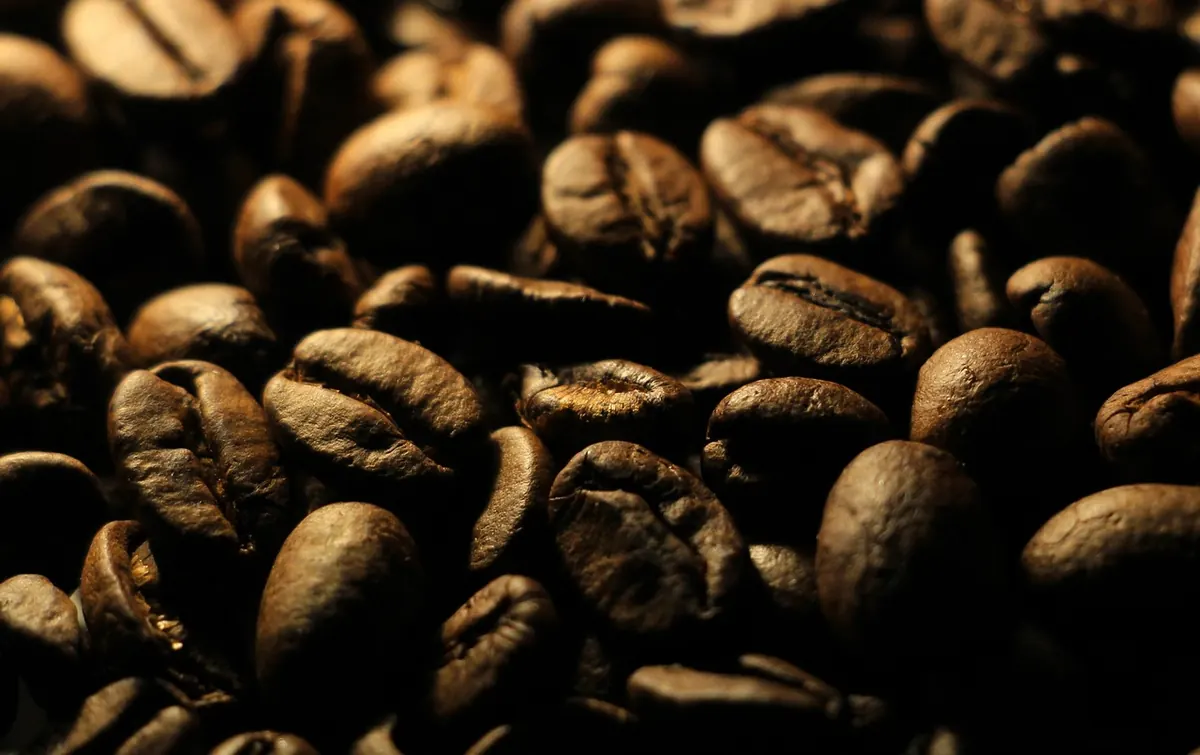
Photo: gosiak1980 / Pixabay