Two bags sit side by side on the shelf. Both are brown, both are handsome, both cost about the same. One reads "Ethiopia, Guji, washed, 2,050 m, roasted 12 May." The other reads "100% Arabica, dark roast, best before 2027." They tell you wildly different amounts, and only one of them lets you guess what's inside before you pay. Learning to read those labels takes ten minutes and saves a lot of disappointing cups. Here is what each line means, and which ones deserve your attention.
If a bag carries only one useful piece of information, make it this one. Coffee is a fresh crop, not a pantry staple. Once roasted, beans begin losing the gases and aromatics that make them taste of anything at all, and no valve, tin tie or handsome box slows that down for long.
Look for a date that says roasted on, not best before. A best-before date is usually printed months — sometimes a year — after roasting, which tells you almost nothing about what is actually in the bag. A roast date, by contrast, is specific and checkable. If a bag has no roast date at all, ask the staff. A shop worth buying from usually knows the week, and often the day.
As a rough working rule: filter coffee tends to hit its stride from about five days off roast and stays enjoyable for a few weeks; espresso often needs a week or so to settle and is usually best inside a month. Ground coffee stales much faster than whole bean, because far more surface area is meeting oxygen. If you buy pre-ground, buy smaller bags and buy them more often. That one-way valve on the front is there to let carbon dioxide out without letting air in — a firm, puffed-up bag is normal, not a sign of anything sinister.
"Ethiopia" on a label can mean dozens of very different coffees. The more specific the origin line, the more the roaster knows and the more traceable your cup is. Region, town, washing station, farm, producer — each layer narrows things down and gives you a better chance of predicting flavour.
Some names worth recognising: Yirgacheffe, Guji and Sidama in Ethiopia; Nyeri and Kirinyaga in Kenya; Huila and Nariño in Colombia; Cerrado and Mogiana in Brazil. A bag reading "Colombia, Huila, Finca La Esperanza" is telling you something. A bag reading only "Colombia" is telling you less, which is fine — just don't expect the label to do work it isn't doing.
Neither is better, and anyone who tells you otherwise is selling something. A single origin is one source, so it shows the character of a place clearly — useful when you want to learn what Kenya tastes like next to Guatemala. A blend is built for balance and consistency, and is often designed with milk or espresso in mind. A blend that lists its components ("60% Brazil, 40% Ethiopia") is more informative than one that doesn't, and more fun to drink with a notebook nearby.
Process describes how the fruit was removed from the seed and how the seed was dried. It shapes flavour nearly as much as origin does, and it is the single most under-read line on most bags.
If a bag doesn't mention process at all, treat the coffee as a mystery. It may still be good. You just have less to go on.
Coffee grown high up ripens slowly, and slow ripening tends to produce denser beans with more acidity and more layered flavour. That is why roasters print altitude: it is shorthand for the style of cup you are likely to get.
Most specialty arabica is grown somewhere between roughly 1,200 and 2,200 metres above sea level. A Kenyan coffee marked 1,900 m suggests something lively and structured; a Brazilian at 1,100 m suggests something nuttier and sweeter. But altitude is a hint, not a grade. A carefully handled lower-grown coffee will beat a neglected high-grown one any day, so read the number as a supporting detail rather than a headline.
"Notes of white peach, jasmine and honey" does not mean anyone added peach. It is the roaster's attempt to describe what the coffee reminded them of at the cupping table, borrowing vocabulary from wine and tea. Use those words as a sorting tool rather than a specification.
Also, be suspicious of very long lists. Ten descriptors is marketing copy; three or four coherent ones usually means somebody actually tasted the coffee and thought about it.
Varietal names such as Bourbon, Typica, SL28 or Geisha describe lineage. Geisha is famously floral, Bourbon tends sweet and rounded. Not essential, but satisfying once you know what you like. Grades like AA or SHB mostly reflect bean size and defect counts, not flavour — don't pay a premium for letters alone. Certifications such as organic or Fairtrade describe farming and trade practices; they tell you how a coffee was produced, not how it will taste.
Two more things worth a glance. Check the actual weight, since 200 g bags look much like 250 g bags on a shelf. And if you're avoiding caffeine for health reasons, look for the decaffeination method — Swiss Water, CO2 and sugarcane processes are the ones usually named — and ask your doctor rather than guessing from the front of the bag.
Once you've done it a few times, the whole label collapses into a quick routine:
A label that gives you nothing but a country and a roast level is also telling you something. Buy small, taste, and keep a note on your phone of the bags you loved — roaster, origin, process. Your own notes will eventually be more useful than any label on any shelf.
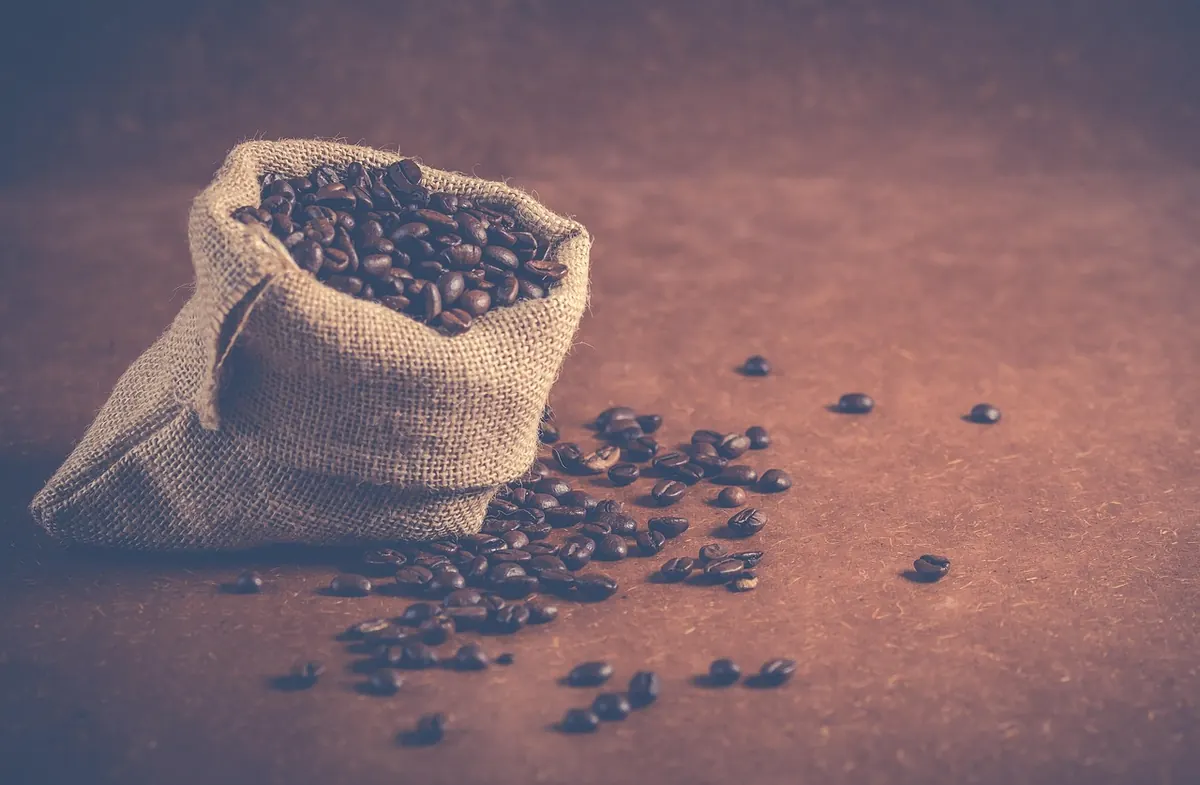
Photo: Ylanite / Pixabay